Nine million pounds of uranium ore on the surface. Seventy-three million gallons of impacted groundwater. One watershed at stake.
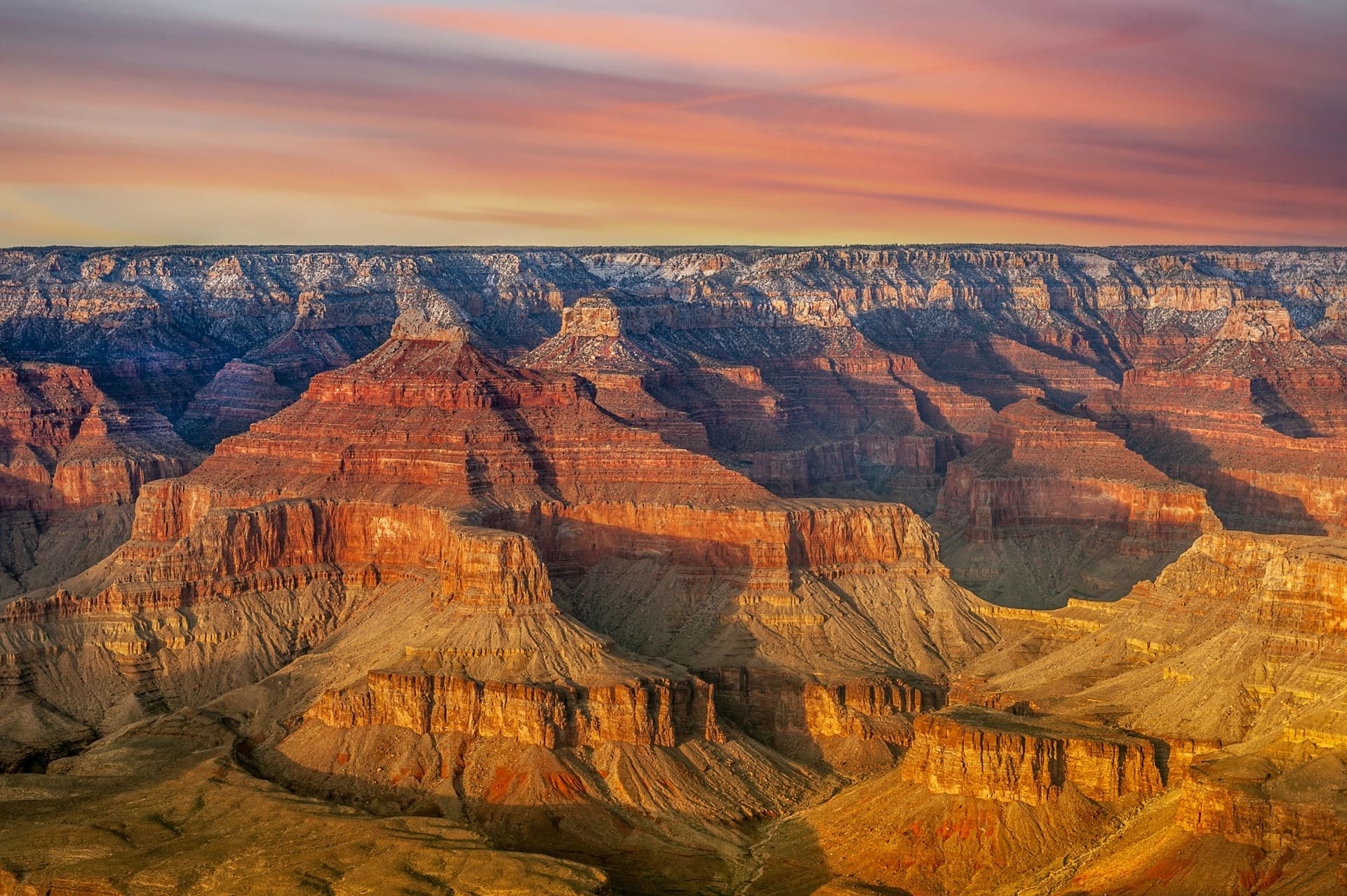
Six miles from the Grand Canyon’s majestic South Rim, a crisis is unfolding in slow motion. The Pinyon Plain uranium mine isn’t just another hole in the ground. It’s a gamble with one of Earth’s most precious watersheds.
For the Havasupai people — whose name literally means “people of the blue-green waters” — this isn’t just an environmental issue. It’s an existential threat. The mine sits directly above their primary water source, and they’ve already seen millions of gallons of precious water rendered unusable.
After decades of dormancy, the mine began commercial operations in December 2023. Arizona Governor Katie Hobbs has called for a new environmental review, acknowledging what scientists and Indigenous leaders have been saying for years — the mine’s environmental assessment is dangerously outdated.
We’re using 1980s science to justify 2020s mining. Once uranium contaminates groundwater, there’s no taking it back. No do-overs. The springs that have sustained life here for millennia could be poisoned for generations.
The U.S. Forest Service signs off on the mine — using the science of the era. The mine shaft is sunk, then the project goes dormant.
The state bans new uranium mining claims on one million acres adjacent to the park — but Pinyon Plain, with its pre-existing rights, is grandfathered in.
After decades of dormancy, Energy Fuels starts hauling ore. Water problems at the site mount into the tens of millions of gallons.
The Havasupai Tribe, conservation groups, and Arizona’s Attorney General demand a supplemental environmental review. Regulators instead move to raise the mine’s arsenic limits. Uranium haul trucks crash on Arizona highways.
The U.S. Forest Service is considering a new review. Public pressure can tip the balance.
Contact your congressional representatives. Tell them you want a new environmental assessment — one based on current science, not Reagan-era studies. The U.S. Forest Service is already considering this review.
Find your representatives →Visit the Havasupai Tribe’s official website to support their ongoing legal battle. Their fight is our fight — they’re protecting water that belongs to all of us.
havasupaitribe.com →Share with #StopPinyonPlainMine #ProtectGrandCanyon #WaterIsLife. Talk to friends, family, colleagues. This isn’t just an Arizona issue — it’s about protecting one of America’s crown jewels.
Sign & share the petition →Resolution opposing uranium mining and ore transport through Flagstaff and indigenous lands — reaffirming Flagstaff as a nuclear-free zone.
View document →Radioactive and related substances, equipment, vehicles, persons and materials transportation act.
View document →Resolution NOST 2024-027-004.
View document →Tribal opposition to uranium mining near the Grand Canyon.
View document →Honorable Delegates — formal correspondence on uranium transport.
View document →Assigned to Judge David G. Campbell — case in other court.
View document →Technical report on the pre-feasibility study, Coconino County, Arizona.
View document →Grand Canyon — Canyon Mine decision.
View document →Case docket.
View document →An analysis of nuclear greenhouse gas emissions.
View document →Uranium and its decay products in the human body — where do they go and what do they do?
View document →Statement following reports of uranium hauled across tribal and rural lands without promised notification.
View document →Request for a supplemental environmental impact study.
View document →Looking for more? Browse all foundation documents or the latest coverage on EAN News.
When protest opportunities or letter-writing campaigns emerge, be first to know. Numbers matter.